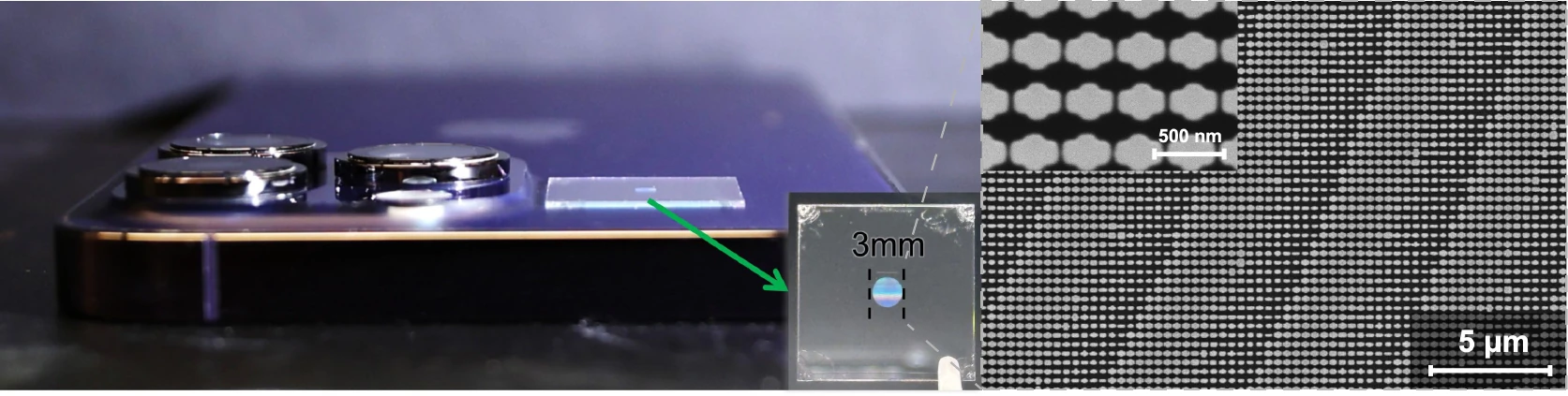
Metasurfaces
We develop metasurfaces as a general platform for controlling light and electromagnetic waves—spanning imaging, sensing, optical neural networks, nonlinear optics, and radio-frequency systems.


01
RESEARCH / FOUR TERRITORIES
Our work moves from two-dimensional nanostructures to complete optical systems—connecting wavefront control, photonic circuits, atomic physics, and the optical strategies of living systems.
We develop metasurfaces as a general platform for controlling light and electromagnetic waves—spanning imaging, sensing, optical neural networks, nonlinear optics, and radio-frequency systems.
We create architectures for routing, modulating, converting, and radiating light—from resonant phase modulators and nonlinear waveguides to leaky-wave metasurfaces that bridge guided modes with complex free-space fields.
We use metasurfaces to create large, programmable landscapes of light for neutral atoms—enabling scalable quantum computing, precision clocks, and fundamental experiments in cold-atom and many-body physics.
We study how living systems sense, color, and regulate heat, then extend biological design principles into engineered and self-assembled photonic materials—from radiative cooling and infrared biology to DNA-guided structural color.
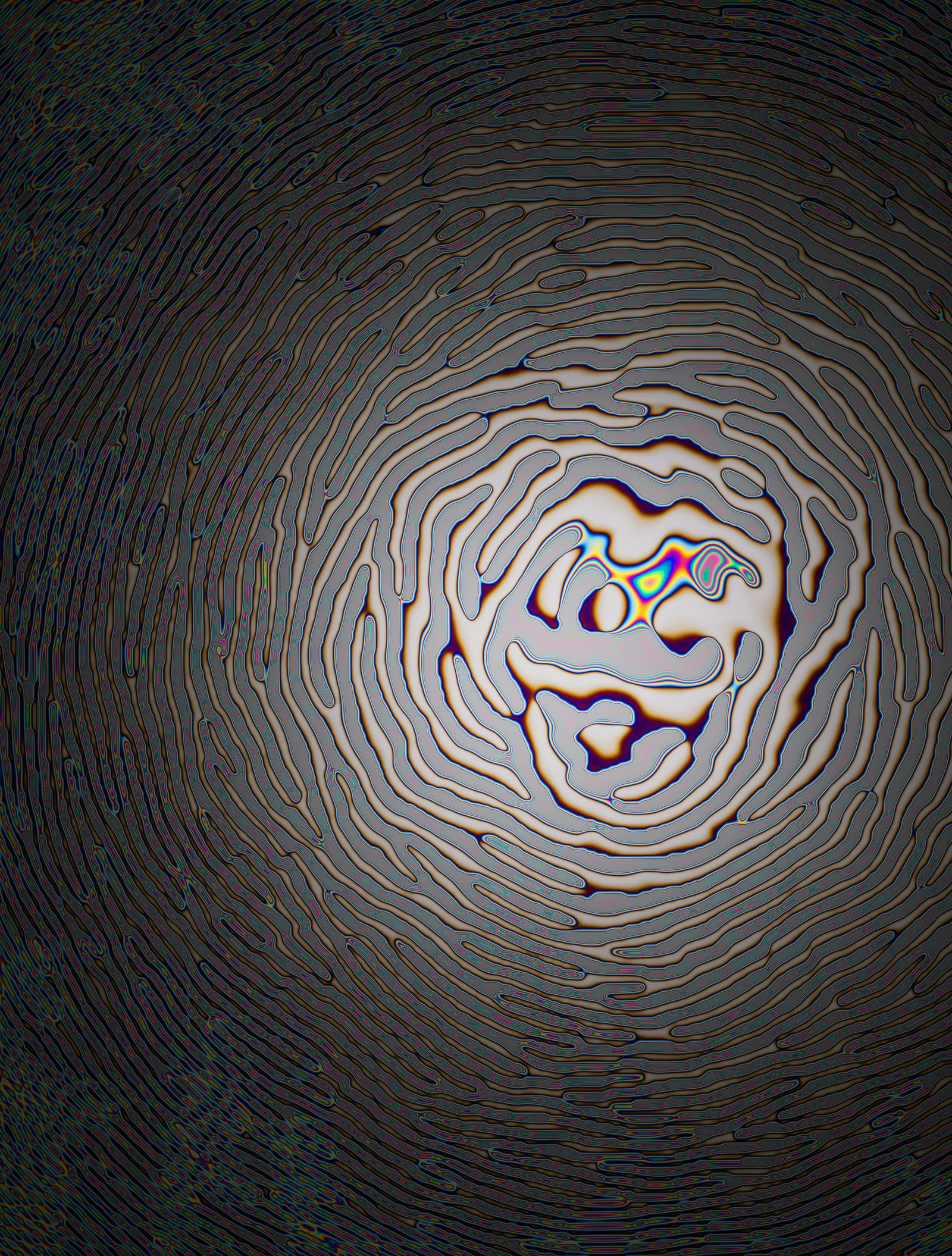
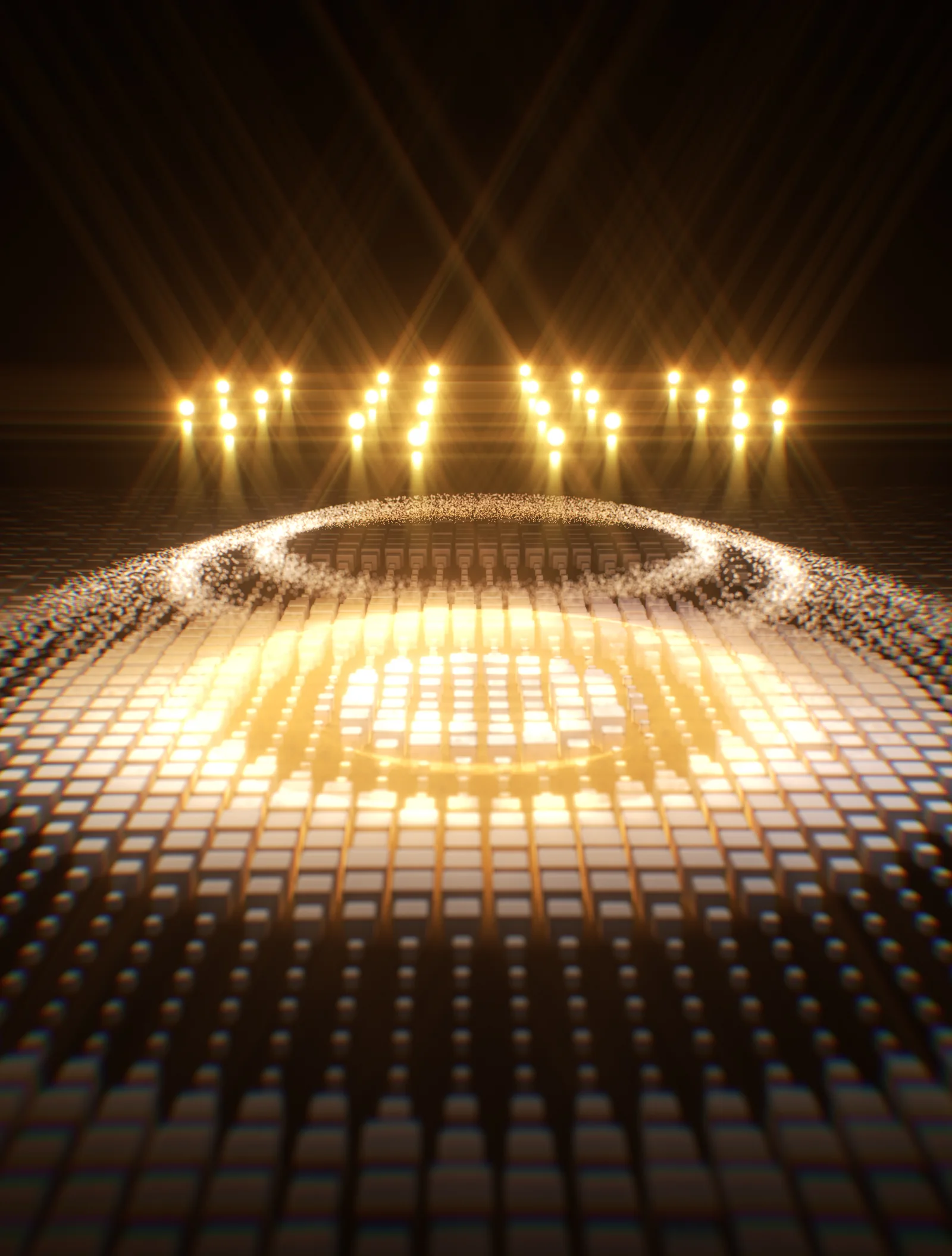 Images: Nanfang Yu Lab / Columbia University
LATEST / QUANTUM META-OPTICS
Holographic metasurfaces can generate dense optical tweezer arrays with exceptional uniformity. The platform has trapped individual strontium atoms and produced a 360,000-trap array—an optical architecture built for the scale demanded by neutral-atom technologies.
HIGHLIGHTED / ECCV 2026
A birefringent metalens physically encodes scene depth as polarization-dependent shifts in the optical image, enriching a single monocular measurement with depth cues. A pretrained depth foundation model then decodes this optically embedded information into accurate metric depth.
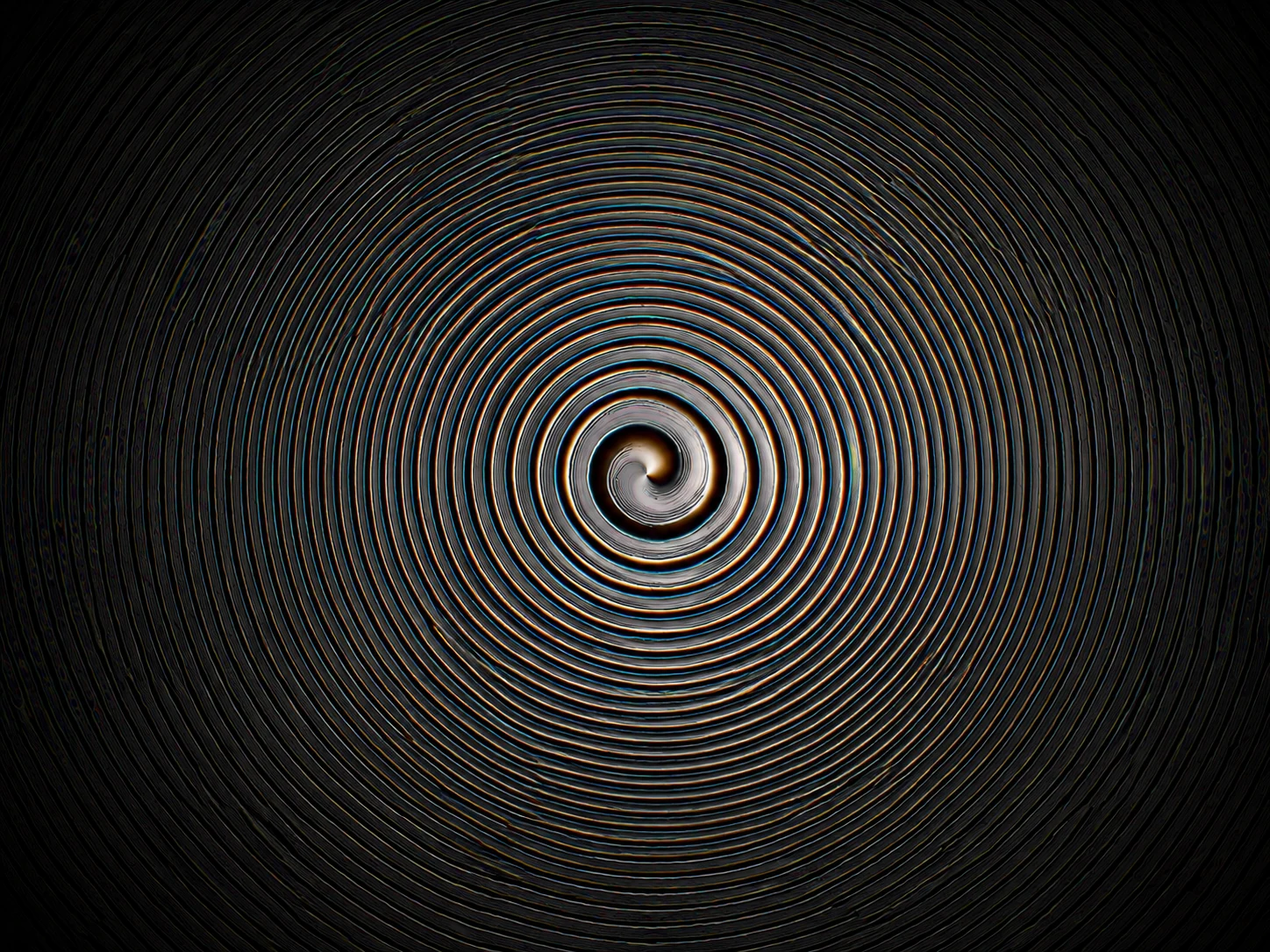
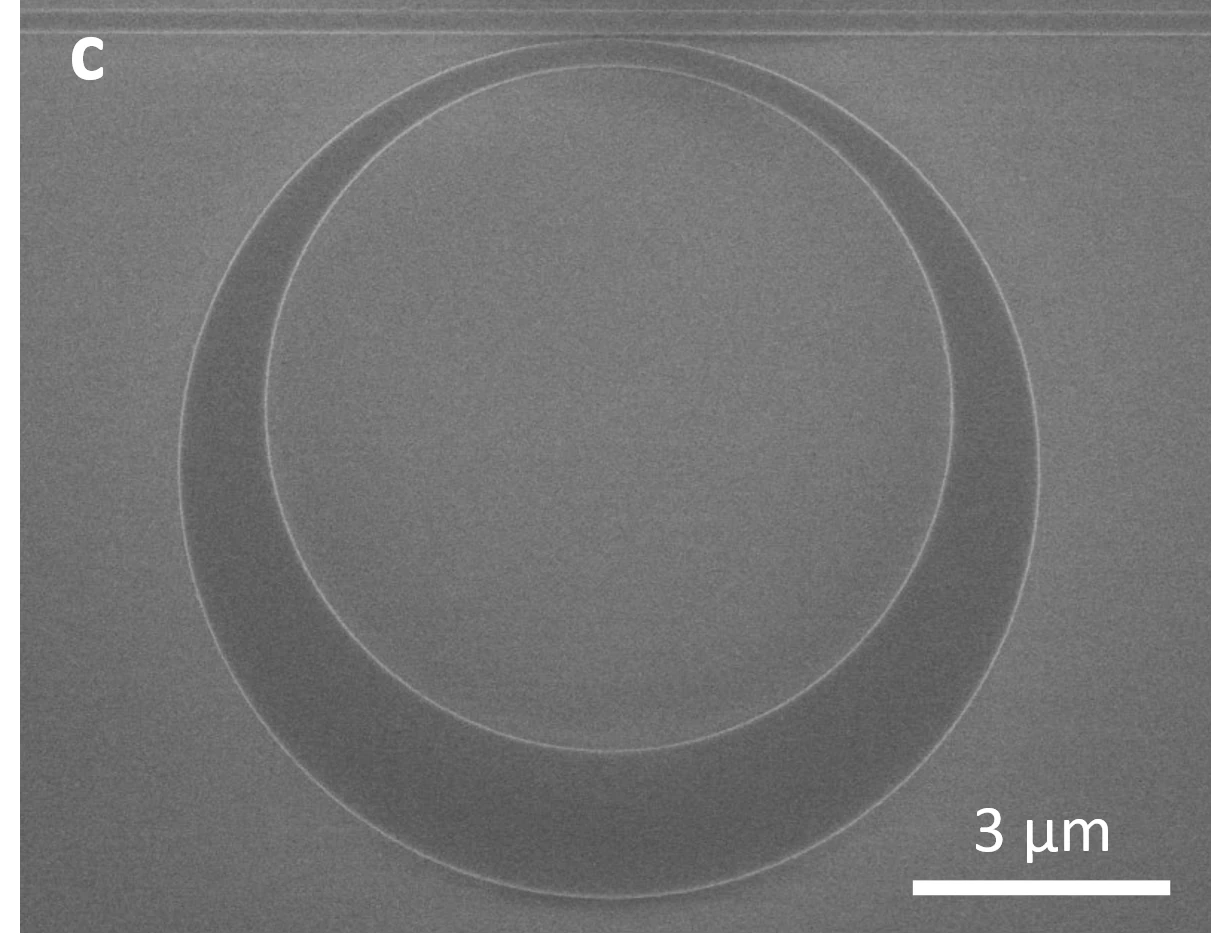
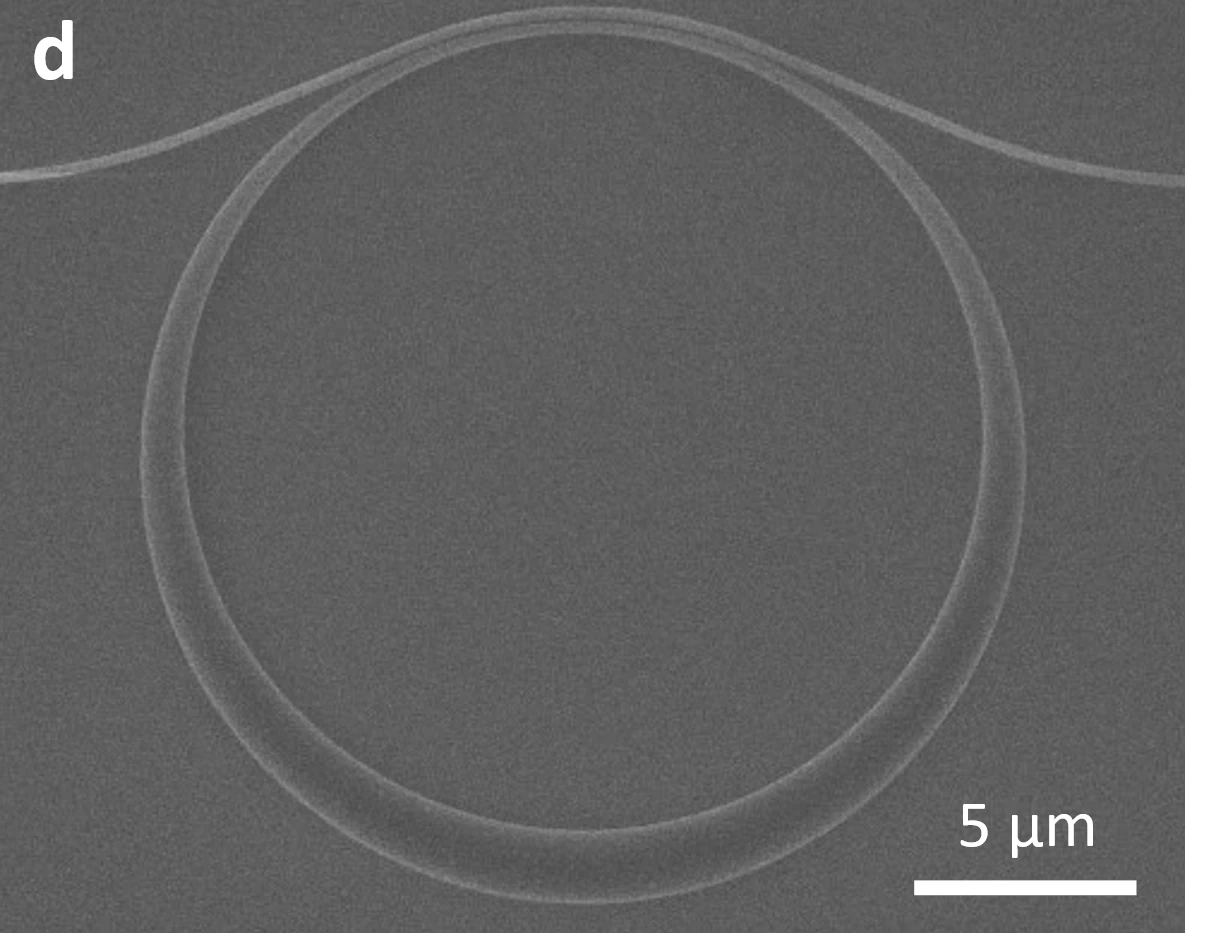 Cover art: Adam Overvig · Micrographs: Nanfang Yu Lab / Columbia University
HIGHLIGHTED / INTEGRATED PHOTONICS
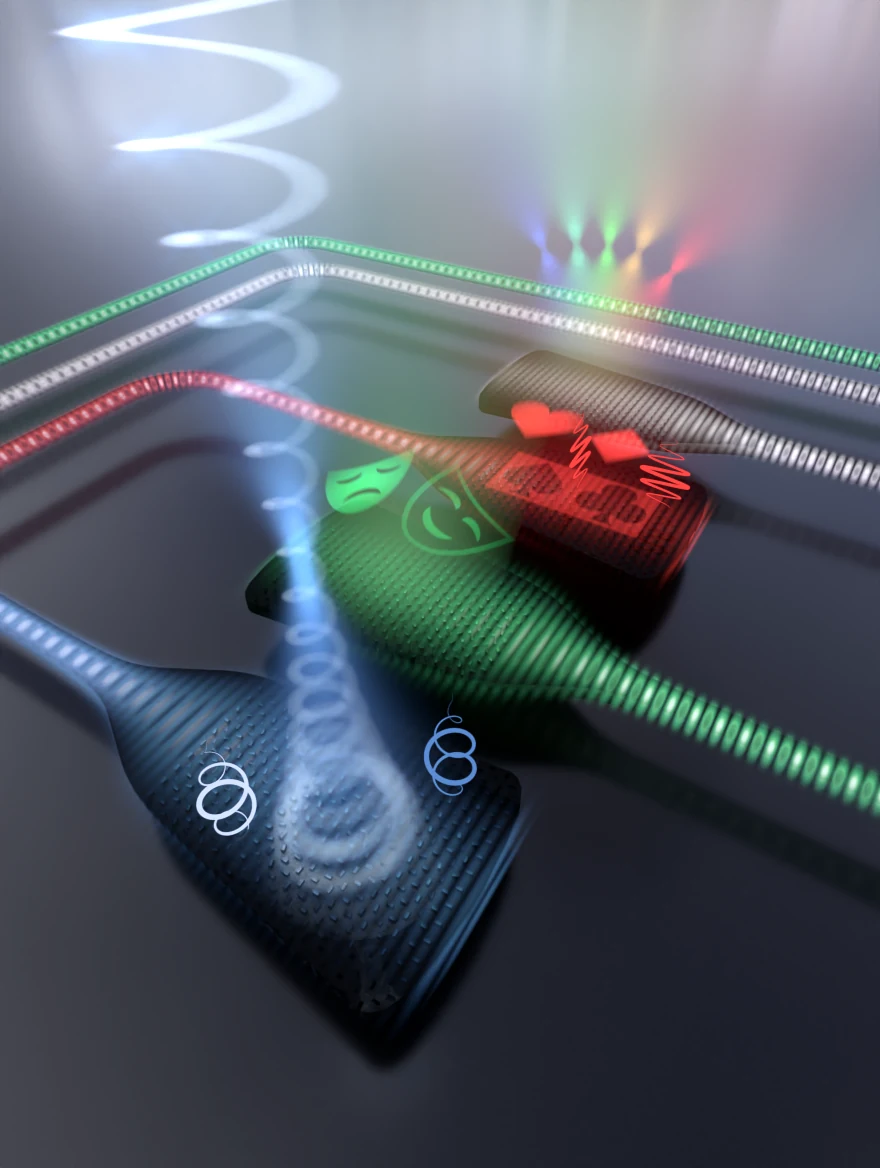
Leaky-wave metasurfaces transform guided light on a photonic chip into free-space fields whose amplitude, phase, and polarization can be controlled independently across the wavefront. Complementary adiabatic microring modulators bring compact, low-power phase control to visible photonics—pointing toward integrated systems that generate, route, and shape light within a common architecture.
HIGHLIGHTED / BIO-INSPIRED PHOTONICS
From Saharan silver ants to living butterfly wings, biological structures control light across the solar and thermal spectra. Triangular ant hairs reject sunlight while enhancing mid-infrared emission to the cold sky. Butterfly wing nanostructures selectively cool living veins and scent organs, while sensors trigger thermoregulatory behavior—revealing design principles for passive cooling and adaptive photonics.
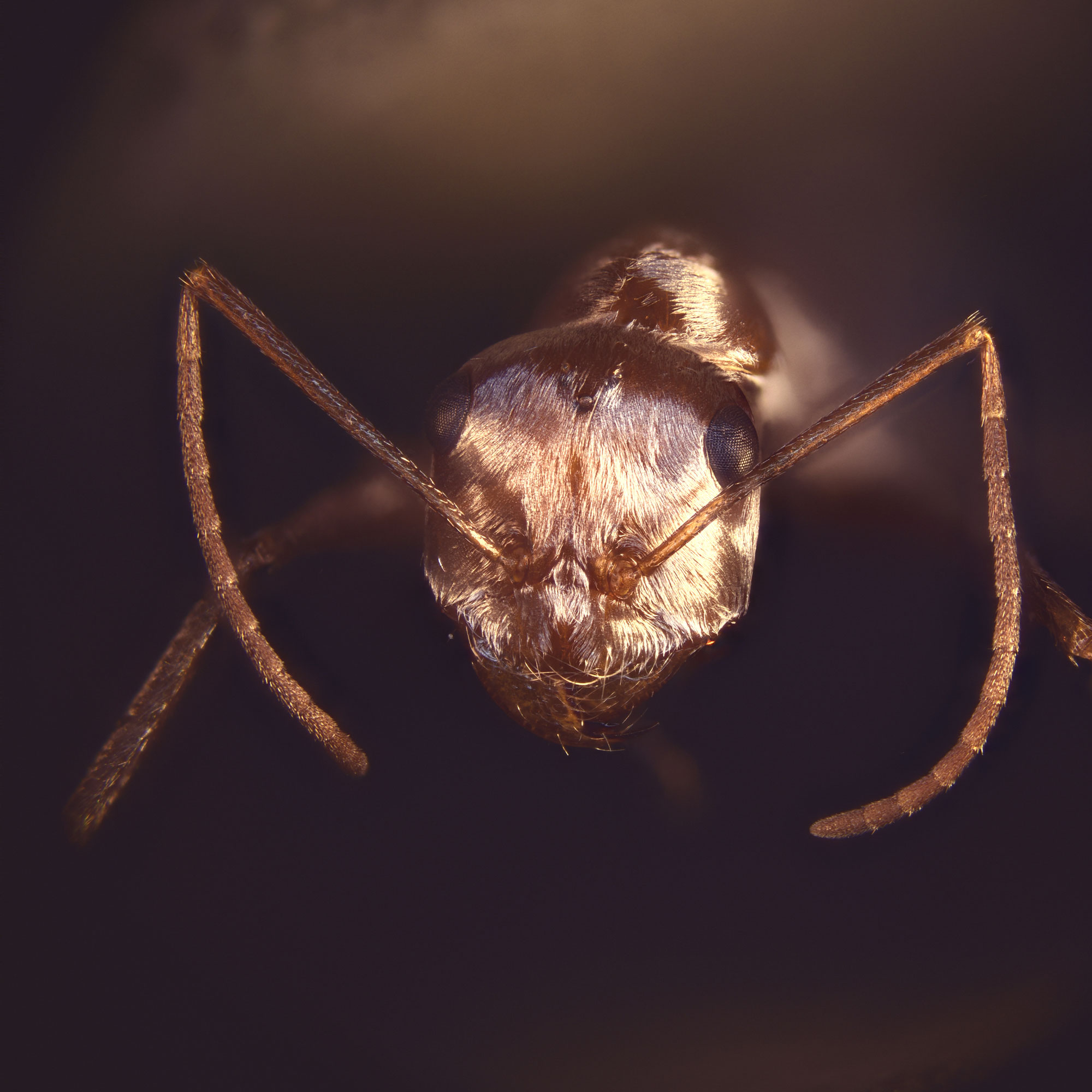
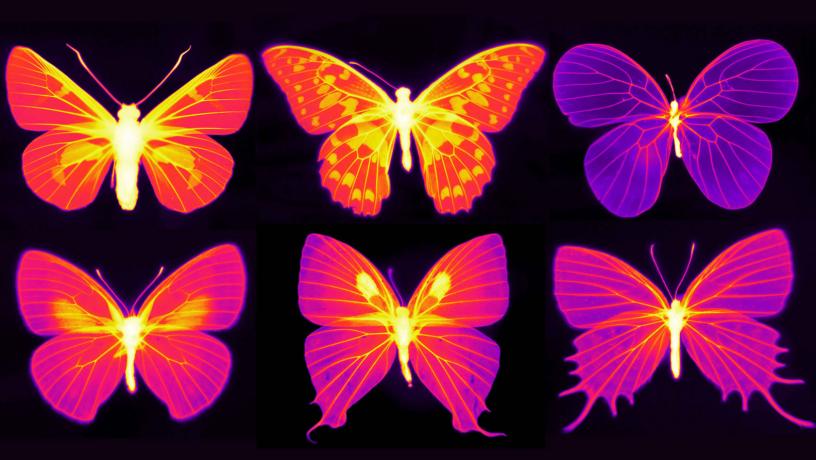 Silver ant: Norman Nan Shi and Nanfang Yu · Butterflies: Nanfang Yu and Cheng-Chia Tsai